The decision of when to start cutting grass isn’t just about maintaining a tidy garden – it’s about creating a balance between a well-kept lawn and supporting local wildlife. This comprehensive guide will help you determine the perfect time to begin mowing while considering both your lawn’s health and the environment.
Essential Temperature Guidelines
The 5°C Rule: When It’s Safe to Start
The key trigger for starting your mowing season is consistent temperatures above 5°C. This typically occurs in early March in most parts of the UK, though timing can vary by region. Waiting for this temperature threshold ensures your grass is actively growing and strong enough to withstand cutting.
Understanding Your Local Climate
- Monitor local weather forecasts
- Watch for last frost dates in your area
- Consider your garden’s specific microclimate
- Pay attention to soil temperature and moisture levels
Signs Your Lawn is Ready for Its First Cut
Visual Indicators to Watch For
Before making your first cut, look for these positive signs:
- Grass has a vibrant green color
- Consistent growth is visible
- Lawn height reaches approximately three inches
- Ground is firm and relatively dry
Ground Conditions Check
Never mow when the ground is:
- Waterlogged or very wet
- Frozen or frosty
- Extremely dry or drought-stressed
- Covered in morning dew
Creating Wildlife-Friendly Zones
Consider implementing a “two-zone” approach to your lawn:
- Formal Zone: Regular mowing for areas you use frequently
- Wildlife Zone: Leave some areas longer for natural habitats
- Create mowed paths through longer grass areas
- Maintain “stepping stone” habitats for insects and small creatures
Pre-Mowing Preparation
Essential Equipment Checks
Before the first cut:
- Service your mower
- Sharpen or replace blades
- Check fuel/battery condition
- Clean the mower thoroughly
Lawn Assessment and Cleanup
- Remove debris and fallen leaves
- Check for wildlife habitats
- Clear any stones or obstacles
- Identify areas to leave for wildlife
First Cut Best Practices
The One-Third Rule Explained
Never remove more than one-third of the grass blade length in a single cut. This principle:
- Prevents stress to the grass
- Promotes stronger root development
- Maintains lawn health
- Supports beneficial insects
Optimal Mowing Height Settings
For the first cut:
- Set mower to highest setting
- Gradually reduce height over subsequent cuts
- Maintain longer grass (about 2.5-3 inches) in wildlife areas
- Keep formal areas at 1-1.5 inches
Direction and Technique
- Alternate mowing directions each time
- Create clean edges for formal areas
- Leave grass clippings in wildlife zones
- Mow in straight lines for efficiency
Month-by-Month Mowing Guide
Winter to Spring Transition (December-March)
- December-February: Minimal to no mowing
- Early March: First cut if conditions are right
- Late March: Begin regular mowing schedule
Peak Season Maintenance (April-August)
- April-May: Weekly mowing as growth accelerates
- June-August: Maintain regular schedule
- Adjust frequency based on rainfall and growth
Autumn Wind-Down (September-November)
- September: Continue regular mowing
- October: Reduce frequency
- November: Final cuts before winter
Sustainable Mowing Practices
Environmental Considerations
- Leave grass clippings as natural fertilizer
- Create compost from collected clippings
- Avoid chemical treatments where possible
- Use manual or electric mowers to reduce emissions
Supporting Biodiversity
- Plant wildflower patches
- Leave dandelions for early pollinators
- Create bug hotels in longer grass areas
- Maintain hedge boundaries for wildlife corridors
Common Mistakes to Avoid
Timing Errors
- Cutting too early in the season
- Mowing wet grass
- Cutting during drought conditions
- Mowing during frost
Technical Mistakes
- Setting blade height too low
- Removing too much length at once
- Using blunt blades
- Mowing in the same pattern repeatedly
Aftercare Mistakes
- Immediate watering after mowing
- Over-fertilizing
- Removing all grass clippings
- Excessive edge trimming
By following these guidelines, you’ll maintain a healthy lawn while supporting local wildlife. Remember that a perfect lawn doesn’t need to be uniformly short – varying lengths and natural areas create a more resilient and environmentally friendly garden space.

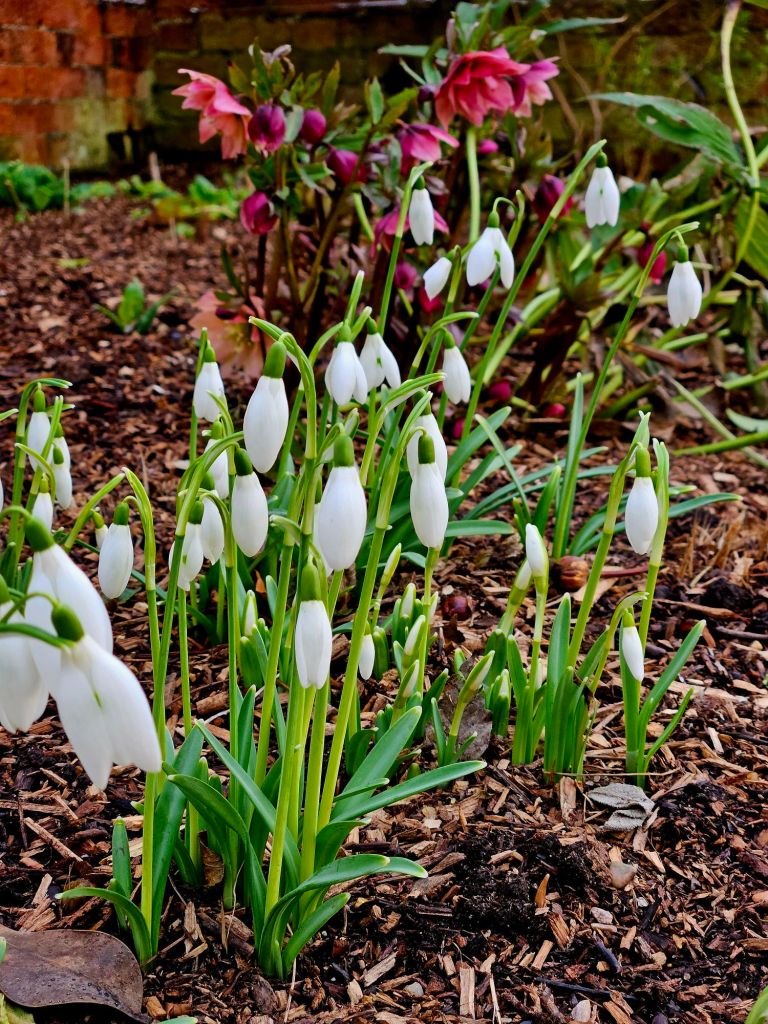
 Snowdrop Garden