
Galanthus ‘Godfrey Owen’ is a distinctive snowdrop cultivar known for its symmetrical arrangement of six outer and six inner petals. Discovered in the 1990s by Margaret Owen in her Shropshire garden, it was named in 1996 after her late husband, Godfrey Owen.

Flowering Time:
In the UK, ‘Godfrey Owen’ typically blooms from late January through February, making it one of the earlier snowdrops to flower in the season.
Cultivation Details:
Height: Reaches approximately 20 cm (8 inches) tall.
Hardiness: Rated as H5 by the Royal Horticultural Society, indicating it is hardy in most places throughout the UK even in severe winters.
Soil: Prefers humus-rich, moist but well-drained soil that does not dry out in summer.
Light: Thrives in partial shade, making it ideal for planting under deciduous trees or in shaded garden areas.
Planting: Prepare the site by incorporating organic material such as leaf mould or well-made garden compost, along with a dusting of bonemeal. If the soil is heavy, adding grit can improve drainage. After planting, water thoroughly to settle the bulbs.
Maintenance: Over time, ‘Godfrey Owen’ can naturalize to create an impressive display. To prevent overcrowding, divide clumps every five years during dormancy; excess bulbs can be relocated to other garden areas.
Availability and Pricing in the UK:
As of January 2025, prices for a single bulb of Galanthus ‘Godfrey Owen’ in the UK range from £7.50 to £25.00, depending on the supplier. Availability may vary, and some suppliers might have limited stock or specific ordering periods. It’s advisable to check with individual nurseries for the most current information and to confirm whether they ship to your location.
Please note that prices and availability are subject to change. It’s recommended to contact the nurseries directly or visit their websites for the most up-to-date information.
Galanthus ‘Godfrey Owen’ is celebrated for its unique floral structure and early blooming period, making it a prized addition to winter gardens. Its relatively low-maintenance nature and ability to naturalize over time enhance its appeal among gardeners.
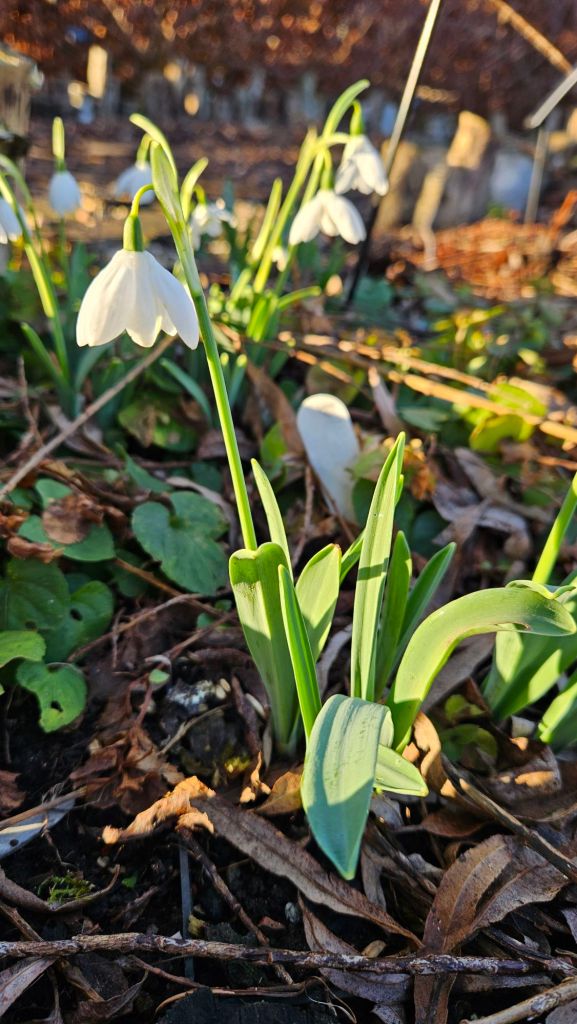

 Snowdrop Garden