Snowdrops (Galanthus) bring early joy to gardens, and proper post-flowering care ensures they return beautifully each year. Follow these six crucial steps to maintain healthy snowdrops.
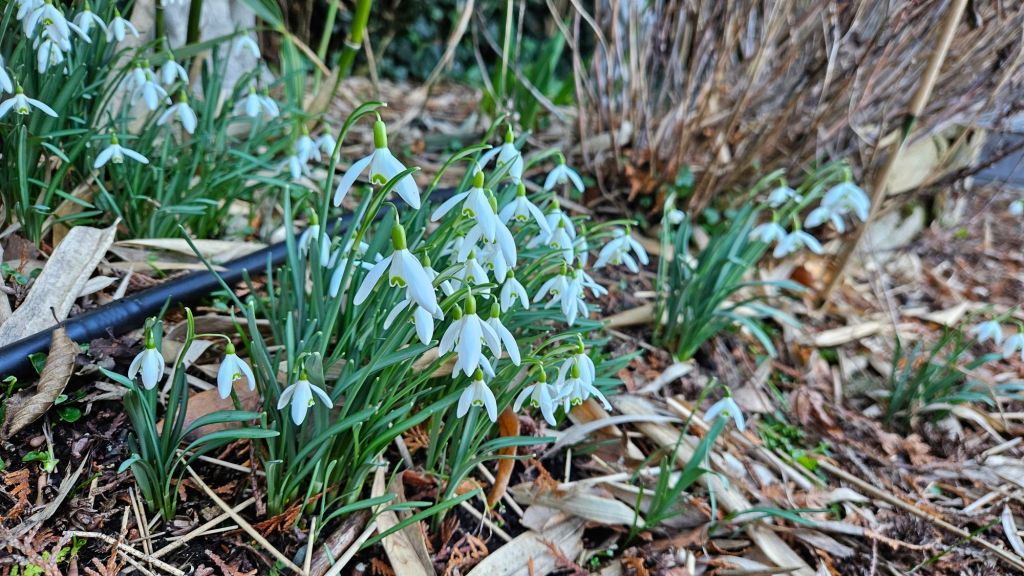
- Preserve the Foliage
The most important rule after flowering is to leave the leaves alone:
✔️ Don’t cut back or remove green leaves
✔️ Avoid tying or folding leaves
✔️ Allow natural photosynthesis to occur
✔️ Let leaves die back naturally
🔹 Why? This process nourishes the bulbs for next year’s growth.
- Manage the Flowers
Deadheading decisions depend on your garden goals:
✔️ Remove spent flowers if you don’t want self-seeding
✔️ Leave flowers to develop seeds for natural spread
✔️ Cut only the flower stem if deadheading
✔️ Always keep the green leaves intact
🔹 Why? Removing seed heads directs energy back into the bulbs for a stronger display next season.
- Divide and Multiply
For overcrowded clumps, division is key:
✔️ Divide while “in the green” – right after flowering
✔️ Lift entire clump carefully using a garden fork
✔️ Gently separate bulbs into smaller groups
✔️ Replant immediately at the original depth
✔️ Water well after replanting
🔹 Why? This keeps your snowdrops from becoming too dense and improves flowering.
- Feed for Future Success
Proper nutrition supports strong growth:
✔️ Apply balanced, slow-release fertilizer
✔️ Use bone meal for traditional feeding
✔️ Sprinkle around clumps (not directly on plants)
✔️ Water in if conditions are dry
✔️ Feed once leaves emerge next season
🔹 Why? Feeding helps bulbs store energy for robust flowering next year.
- Mulch with Care
Strategic mulching protects your snowdrops:
✔️ Apply a light layer in warmer areas for moisture retention
✔️ Provide winter protection in cold regions
✔️ Use well-rotted leaf mold or compost
✔️ Avoid thick layers that could smother plants
✔️ Keep mulch away from emerging shoots
🔹 Why? Mulching helps maintain ideal soil conditions without harming growth.
- Plan Ahead
Think about next year’s display:
✔️ Mark snowdrop locations before leaves fade
✔️ Identify areas for autumn bulb planting
✔️ Consider allowing natural seed spread
✔️ Plan for any needed divisions next spring
✔️ Note successful growing spots
🔹 Why? Planning ensures a thriving snowdrop display year after year.
🌱 Important Timeline
February-March:
✔️ Flowering period
✔️ Monitor for division needs
March-April:
✔️ Leave foliage growing strongly
✔️ Apply fertilizer
✔️ Divide if necessary
✔️ Remove spent flowers if desired
May-June:
✔️ Leaves begin yellowing
✔️ Allow natural die-back
✔️ Mark positions before leaves disappear
September-November:
✔️ Plant new bulbs
✔️ Apply winter mulch if needed
🚫 Common Mistakes to Avoid
❌ DON’T:
Cut green leaves
Mow over growing foliage
Remove leaves while green
Over-fertilize
Disturb during dormancy
✅ DO:
Allow complete leaf die-back
Mark planting locations
Divide when overcrowded
Feed appropriately
Plan for expansion
✨ Quick Tips for Success
✔️ Keep areas weed-free
✔️ Ensure good drainage
✔️ Protect from heavy foot traffic
✔️ Label planting areas
✔️ Monitor for pest damage
Remember: Patience is key when caring for snowdrops. The time invested in proper post-flowering maintenance will reward you with stronger, more numerous blooms next spring.
 Snowdrop Garden