Snowdrops (Galanthus nivalis) are among the first flowers to bloom in late winter and early spring, bringing a delicate beauty to gardens and woodlands. While these resilient flowers thrive in cold conditions, they have a fascinating relationship with ants. In most cases, ants are neutral or even beneficial to snowdrops, but there are situations where they might cause unintended harm.
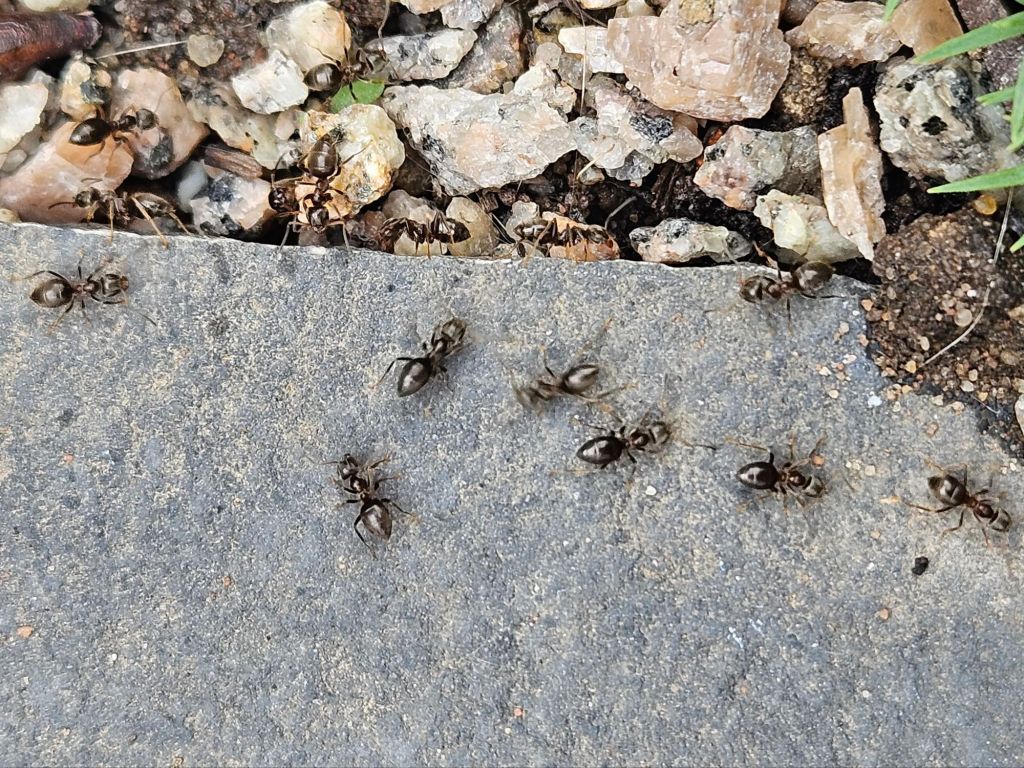
If you’re a gardener, collector, or breeder of snowdrops, you may wonder: Do ants harm snowdrops? Do they eat the seeds? Should I take any precautions? This blog post explores the relationship between ants and snowdrops, potential concerns, and how to manage ants if needed.
—
Are Ants Good or Bad for Snowdrops?
In general, ants and snowdrops have a mutually beneficial relationship. Snowdrops produce seeds with a special structure called an elaiosome—a nutritious, lipid-rich appendage that attracts ants. This process, known as myrmecochory, provides advantages for both plants and ants:
How Ants Help Snowdrops
✅ Seed Dispersal – Ants carry snowdrop seeds to their nests, eat the elaiosome, and discard the seed, helping the plant spread naturally.
✅ Protection from Seed Predators – Seeds taken underground by ants are less likely to be eaten by rodents or birds.
✅ Improved Germination – Seeds deposited in nutrient-rich ant nests may have a better chance of sprouting.
When Ants Might Be a Problem
While ants are usually beneficial, there are situations where they can interfere with human efforts to cultivate or breed snowdrops:
❌ Seed Theft Without Dispersal – Some ants remove the elaiosome but leave the seed behind, reducing effective dispersal.
❌ Disrupting Controlled Breeding – If you manually cross-pollinate snowdrops to develop new cultivars, ants may steal seeds before you can collect them, disrupting your work.
❌ Impact on Pollinators – Some aggressive ant species prey on pollinators like bees, potentially reducing successful pollination.
—
How to Prevent Ants from Stealing Snowdrop Seeds
If you’re concerned about ants interfering with your snowdrops, consider these management strategies:
Collect Seeds Early – If you’re breeding snowdrops, harvest seeds as soon as seed pods ripen to prevent ants from carrying them away.
Use Natural Barriers – Sprinkle diatomaceous earth, coffee grounds, or cinnamon around plants to deter ants without harming them.
Grow in Controlled Conditions – If breeding snowdrops, consider growing them in a greenhouse or enclosed environment to protect seeds.
Create Alternative Food Sources – If ants are problematic, offer an alternative food source like sugar water or honey nearby to divert their attention.
—
Frequently Asked Questions (FAQs)
1. Do ants eat snowdrop bulbs?
No, ants do not eat snowdrop bulbs. They are only interested in the elaiosome found on the seeds. Snowdrop bulbs, like other members of the Amaryllidaceae family, contain toxic compounds that deter herbivores.
2. Will ants kill my snowdrops?
No, ants do not harm mature snowdrops. They may remove seeds, but this does not damage the plant itself. In fact, they often help snowdrops spread.
3. How do I stop ants from taking my snowdrop seeds?
You can prevent ants from stealing seeds by:
Collecting seeds before they are fully ripe
Placing barriers like diatomaceous earth or sticky traps around the plants
Growing snowdrops in pots or a greenhouse to protect seeds
4. Can ants help snowdrops spread naturally?
Yes! Myrmecochory, or ant-assisted seed dispersal, is how snowdrops naturally spread in the wild. If you want snowdrops to naturalize and form larger clumps, ants can actually help.
5. Should I get rid of ants in my snowdrop garden?
In most cases, there’s no need to remove ants from your garden. They provide seed dispersal benefits and rarely harm snowdrops. However, if you’re breeding snowdrops and need to control seed collection, you may want to limit their access to seeds using natural deterrents.
—
Final Thoughts
For most gardeners, ants and snowdrops coexist peacefully, with ants even helping snowdrops spread across your garden. However, if you’re cultivating specific varieties and want to ensure controlled seed collection, you may need to take some precautions.
By understanding the natural role of ants in snowdrop ecology, you can decide whether to encourage their presence or gently deter them based on your gardening goals.
—
Related Articles
How to Care for Snowdrops After Flowering
Snowdrop Propagation: How to Divide and Multiply Your Plants
The Best Companion Plants for Snowdrops
Would you like more snowdrop care tips? Subscribe to our newsletter for expert gardening advice!
 Snowdrop Garden