1. Introduction
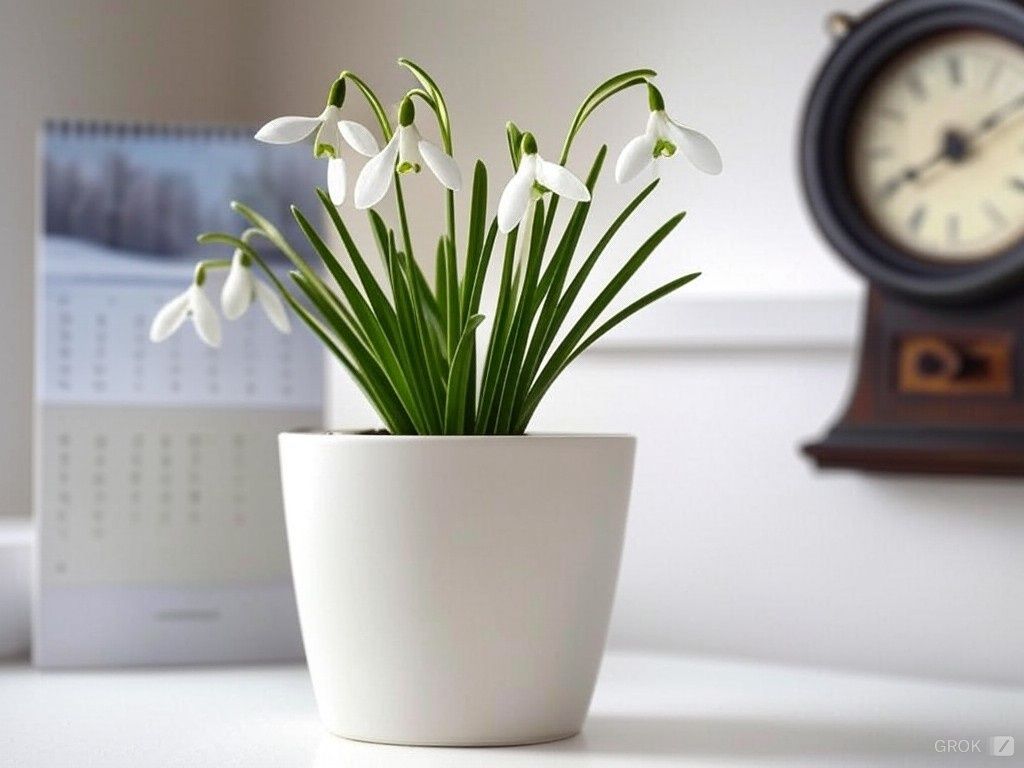
Snowdrops (Galanthus) are delicate, white, bell-shaped flowers that are among the first plants to bloom at the end of winter. Known for their resilience, they often push through snow-covered ground, making them a powerful symbol of hope and renewal. This page explores the fascinating details of their flowering time and why it’s so significant.
2. Flowering Season
Snowdrops typically flower in the UK from January to March, though some varieties may bloom as early as late December. They thrive in cooler weather and bloom before most other plants, marking the transition from winter to spring. The exact timing can vary depending on species, location, and environmental conditions.
3. Factors Affecting Flowering Time
The flowering time of snowdrops is influenced by several factors:
Species and Varieties: Some species flower earlier (e.g., Galanthus nivalis), while others bloom later (e.g., Galanthus elwesii).
Climate and Weather: Mild winters can trigger earlier flowering, while prolonged cold may delay blooms.
Soil and Site: Well-drained soil in sunny or partially shaded areas promotes earlier flowering.
Plant Health and Age: Established clumps bloom earlier than newly planted bulbs.
4. Ecology and Importance
Snowdrops play a critical ecological role during their flowering season:
Food Source for Pollinators: They provide much-needed nectar and pollen for bees and other insects on warmer winter days.
Adaptation to Harsh Conditions: Snowdrops have evolved to bloom in freezing temperatures, making them a valuable winter flower in ecosystems.
5. Cultural and Historical Significance
Snowdrops are steeped in cultural and historical meaning:
Symbolism: They represent purity, hope, and renewal in many traditions.
Candlemas: Snowdrops are associated with Candlemas (February 2nd), often called “Candlemas Bells.”
Folklore: They are seen as symbols of resilience and life overcoming adversity.
6. How Snowdrops Prepare to Bloom
Snowdrops begin their journey to flowering months in advance:
Summer to Autumn: Flower buds form inside the bulb during dormancy in late summer.
Autumn Development: The buds develop further as temperatures cool.
Winter Emergence: Once conditions are favorable, the buds emerge above ground, ready to bloom.
7. Gardening Tips
Growing snowdrops can be rewarding with the right care:
Planting: Bulbs should be planted in autumn in moist, well-drained soil.
Naturalizing: They thrive in woodland settings and can be allowed to spread naturally for a more natural look.
Care: Allow foliage to die back naturally to feed the bulb for the following year.
Choosing Varieties: Mix early- and late-flowering snowdrops for a longer display.
8. Phenology and Climate Change
Snowdrops are valuable indicators of environmental changes:
Phenology: Their flowering time is closely tied to seasonal changes, making them useful for tracking climate shifts.
Climate Impact: Warmer winters are causing snowdrops to bloom earlier in some regions, reflecting broader ecological changes.
FAQs
1. When do snowdrops flower in the UK?
Snowdrops typically flower between January and March, though some varieties may bloom as early as late December.
2. Why are snowdrops the first flowers to bloom?
Snowdrops are adapted to cold conditions. They form their flower buds in the bulb months in advance and have a natural antifreeze in their cells, allowing them to bloom even in freezing temperatures.
3. Why do some snowdrops flower earlier or later than others?
The flowering time depends on factors like species, weather conditions, soil quality, and microclimates. Some varieties are naturally early-flowering, while others bloom later.
4. When do snowdrops start forming flowers in the bulb?
Snowdrops form their flower buds inside the bulb during the summer and early autumn, well before they emerge above ground.
5. Do snowdrops bloom every year?
Yes, snowdrops are perennials and will bloom every year if they are planted in suitable conditions and cared for properly.
6. How do I plant and care for snowdrops?
Plant snowdrop bulbs in autumn in well-drained soil. Choose a partially shaded location, such as under deciduous trees. Allow the leaves to die back naturally after flowering to feed the bulb for next year.
7. When should I plant snowdrop bulbs?
Plant snowdrop bulbs in September or October, ensuring the pointed end faces upward. Alternatively, you can plant “in the green” (with foliage) just after flowering.
8. How can I naturalize snowdrops in my garden?
To naturalize snowdrops, plant them in drifts in grass or woodland areas. Let them spread naturally by avoiding disturbance and leaving the foliage intact after flowering.
9. Are snowdrops important for wildlife?
Yes, snowdrops provide an essential early food source for pollinators like bees on warmer winter days.
10. Do animals eat snowdrops?
Snowdrops are generally unappealing to animals due to toxic compounds in their bulbs and leaves, which deter pests like rabbits and deer.
11. What do snowdrops symbolize?
Snowdrops symbolize hope, renewal, and purity. Their emergence in late winter is often seen as a sign of better times ahead.
12. Are snowdrops associated with any festivals or traditions?
Yes, snowdrops are linked to Candlemas (February 2nd) in Christian tradition and are often called “Candlemas Bells.” They also feature in folklore as symbols of resilience.
13. Can I make my snowdrops flower earlier or later?
You can influence flowering times by selecting early- or late-flowering varieties and planting them in favorable locations, such as sunny spots for earlier blooms.
14. Are snowdrops affected by climate change?
Yes, warming winters are causing snowdrops to bloom earlier in some areas. This shift reflects broader ecological changes due to climate change.
15. What other plants flower at the same time as snowdrops?
Plants that often flower alongside snowdrops include winter aconites (Eranthis hyemalis), hellebores, and cyclamen, all of which thrive in late winter and early spring.
Further reading
 Snowdrop Garden