Whether you’re looking to expand your collection or share these beauties, understanding effective propagation methods is essential. This guide delves into various techniques, ensuring there’s a suitable method for gardeners of all expertise levels.
Division of Clumps (In-the-Green Propagation)
How It Works: Divide snowdrop clumps right after flowering, while the plants are still in leaf.
- Pros: High success rate and immediate garden impact.
- Cons: Labor-intensive and a narrow window of opportunity.
Seed Propagation
How It Works: Harvest seeds from mature pods and sow them in a suitable growing medium.
- Pros: Offers genetic diversity, especially if deliberate cross-pollination is performed. Potential for a large number of new plants.
- Cons: Slow to reach maturity and variable germination success.
Twin-Scaling
How It Works: Slice the bulb into sections, ensuring each has a part of the basal plate, then culture in moist conditions to encourage bulblet formation.
- Pros: Quick multiplication with bulblets forming within a year.
- Cons: Requires botanical knowledge and carries a higher risk of disease.
Chipping
How It Works: Similar to twin-scaling but involves cutting the bulb into larger ‘chips’, each with a portion of the basal plate, then placed in a growing medium.
- Pros: Less technical than twin-scaling and efficient at propagating new plants.
- Cons: It takes several years for bulblets to flower and has a disease risk.
Tissue Culture
How It Works: Cultivate snowdrop cells in a sterile, nutrient-rich medium under controlled conditions, leading to the rapid production of numerous plants.
- Pros: Capable of producing a large number of disease-free plants quickly.
- Cons: Complex, costly, and not recommended for novice gardeners due to the technical skills and equipment required.
Choosing the Right Method
Selecting a propagation method depends on your gardening experience, available resources, and the time you’re willing to invest. While division and seed propagation are accessible and straightforward, twin-scaling and chipping offer quicker multiplication but require more skill. Tissue culture, the most advanced method, is suited for professional settings due to its complexity and high setup costs.
FAQs
Q: Which propagation method offers the fastest results?
A: Twin-scaling and chipping can produce new plants relatively quickly but require some expertise.
Q: Are all snowdrop varieties suitable for these propagation methods?
A: Yes, but rare or delicate varieties may have specific needs, so it’s important to research beforehand.
Q: How can I ensure the health of my propagated snowdrops?
A: Use healthy starting material, maintain sterile conditions for advanced methods, and provide optimal growing conditions post-propagation.
Conclusion
Propagating snowdrops is a fulfilling activity that can significantly expand your collection. Whether you opt for the simplicity of division or explore the precision of tissue culture, each method brings its own rewards and challenges. Patience and attentive care remain crucial in nurturing these springtime gems to their full potential.
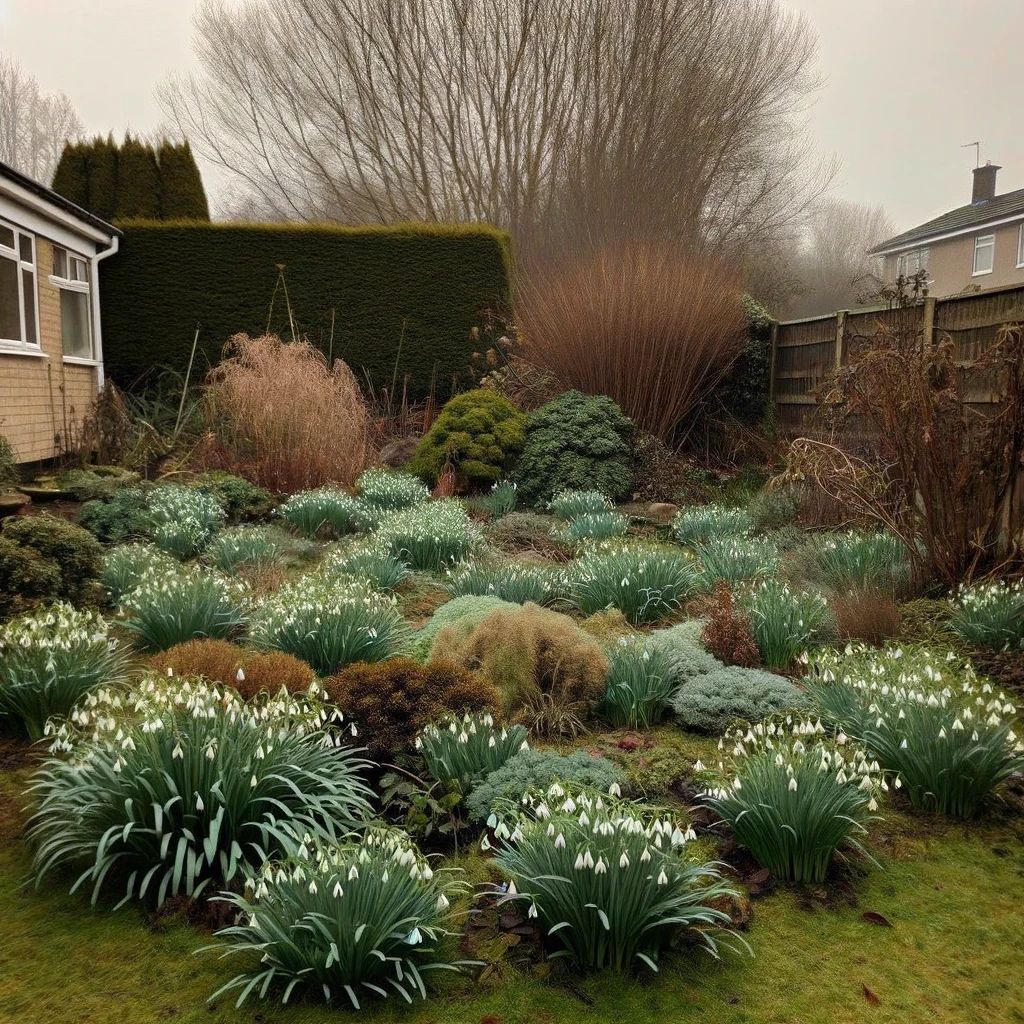
 Snowdrop Garden